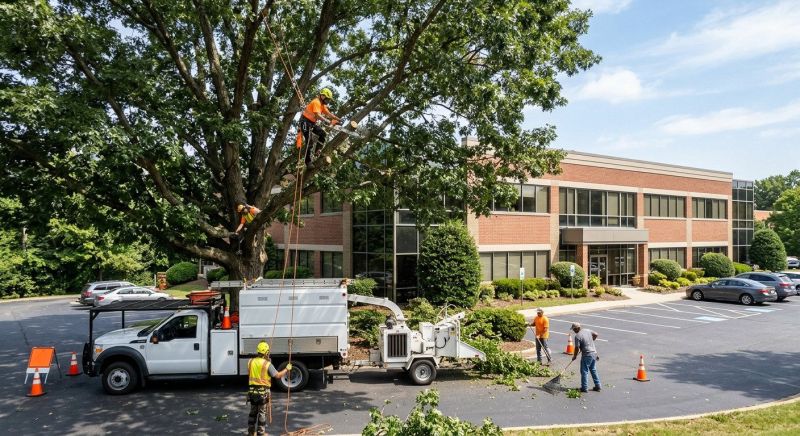
Commercial Tree Trimming in Denver, CO
Commercial tree trimming services involve the careful pruning and shaping of trees on residential properties, designed to promote healthy growth, improve appearance, and ensure safety. This service covers a variety of projects, including removing dead or overgrown branches, reducing the size of trees that threaten structures or power lines, and maintaining the overall health of mature trees. Property owners typically seek this service to enhance curb appeal, prevent potential damage caused by falling limbs, and support the long-term vitality of their landscape.
Before requesting commercial tree trimming, property owners should consider the specific goals for their trees, such as aesthetic improvement or safety concerns. It is also helpful to understand the types of trees on the property, as different species may require different trimming techniques. Additionally, knowing the extent of trimming needed and any potential restrictions or regulations in the area can assist in planning the project effectively. Clear communication about these details can help ensure the work aligns with property management goals.
Many property owners in Denver, CO look into Commercial Tree Trimming for repairs, replacements, upgrades, and appearance-related improvements.
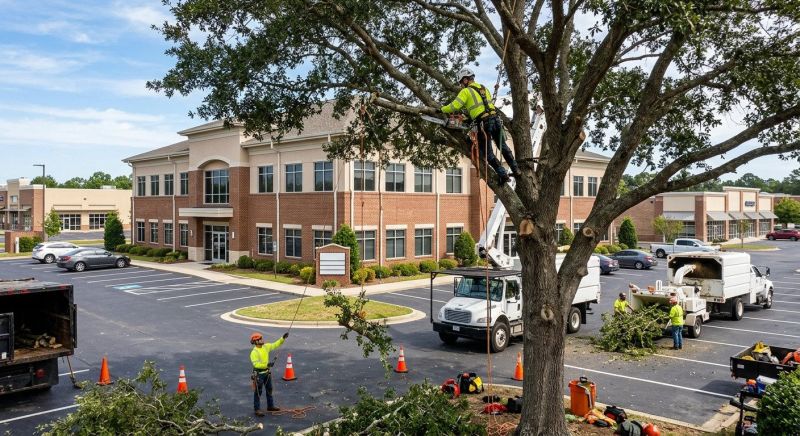
Tree Pruning For Safety
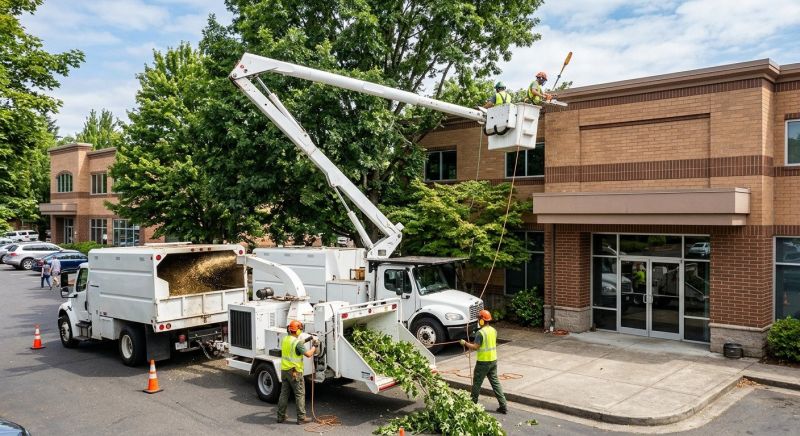
Proper trimming reduces hazards caused by dead or overgrown branches near structures and power lines.
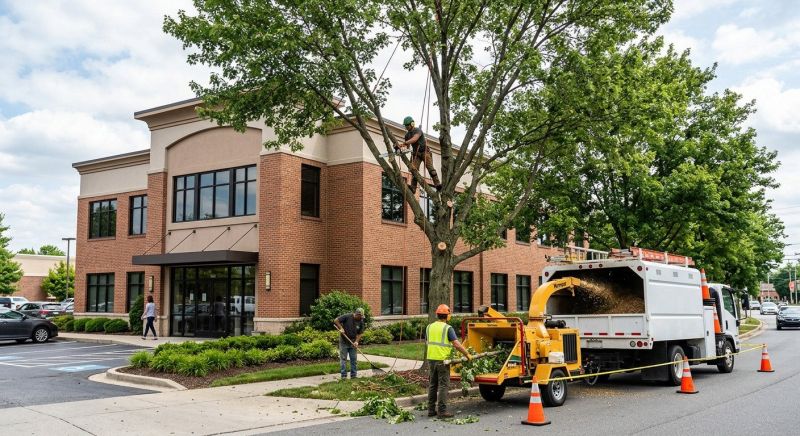
Enhancing Property Appearance
Professional trimming improves the overall look of commercial landscapes in denver and nearby areas.
Maintaining Tree Health
Regular trimming supports the growth and longevity of trees on business or residential properties.
Commercial Tree Trimming in Denver, CO

Commercial tree trimming services involve the careful pruning and shaping of trees on residential properties, designed to promote healthy growth, improve appearance, and ensure safety. This service covers a variety of projects, including removing dead or overgrown branches, reducing the size of trees that threaten structures or power lines, and maintaining the overall health of mature trees. Property owners typically seek this service to enhance curb appeal, prevent potential damage caused by falling limbs, and support the long-term vitality of their landscape.
Before requesting commercial tree trimming, property owners should consider the specific goals for their trees, such as aesthetic improvement or safety concerns. It is also helpful to understand the types of trees on the property, as different species may require different trimming techniques. Additionally, knowing the extent of trimming needed and any potential restrictions or regulations in the area can assist in planning the project effectively. Clear communication about these details can help ensure the work aligns with property management goals.
Many property owners in Denver, CO look into Commercial Tree Trimming for repairs, replacements, upgrades, and appearance-related improvements.
Common Commercial Tree Trimming Jobs
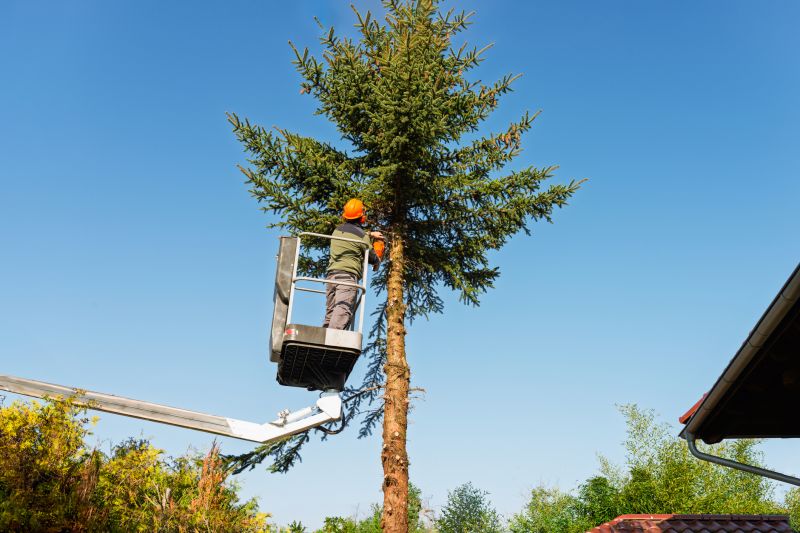
Commercial Tree Trimming Services - Pruning overgrown branches to improve tree health and appearance.
Tree Crown Reduction - Reducing the size of tree canopies to prevent interference with structures or power lines.
Storm Damage Cleanup - Removing broken or fallen branches after severe weather events.
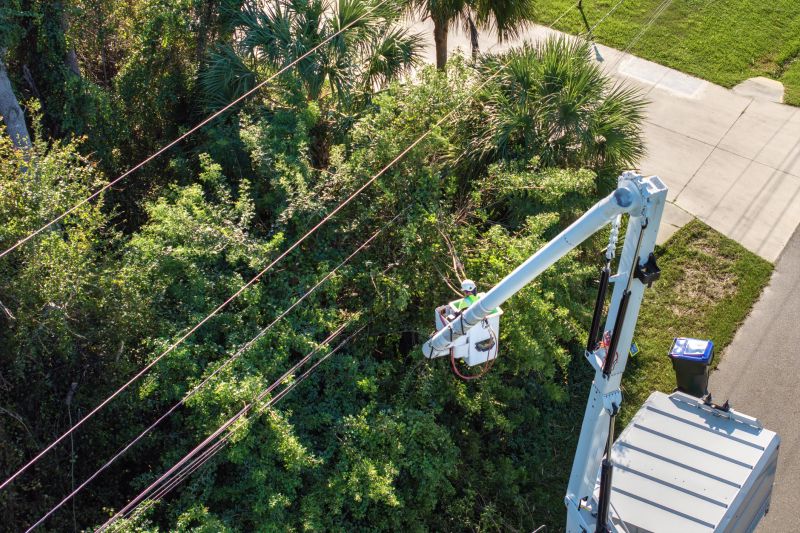
Safety Clearance Trimming - Ensuring trees are clear of buildings, signage, and utility lines for safety.
Shaping and Aesthetic Trimming - Enhancing the visual appeal of trees to maintain a professional landscape.
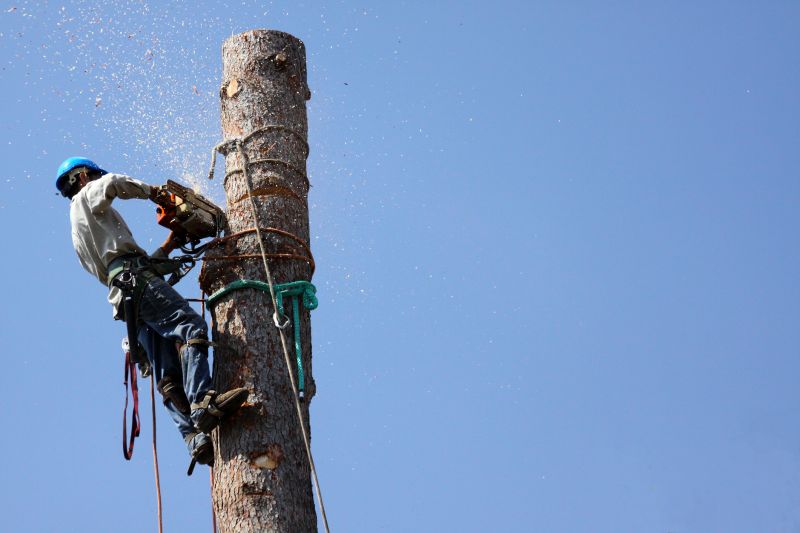
Deadwood Removal - Eliminating dead or diseased branches to promote healthy growth.
Commercial Tree Trimming Questions
What types of trees are suitable for trimming? Most common landscape trees in Denver, CO, including maples, oaks, and fruit trees, benefit from regular trimming to maintain health and appearance.
Why is tree trimming important for commercial properties? Proper trimming improves safety by removing hazards, enhances visual appeal, and promotes healthy growth for trees on commercial sites.
What are common reasons for scheduling tree trimming services? Property owners often seek trimming for safety clearance, disease prevention, aesthetic improvement, or to remove damaged branches.
How often should trees be trimmed in commercial settings? The frequency depends on the tree species and growth rate, but typically, trees are trimmed every 1 to 3 years to maintain health and safety.
Request Commercial Tree Trimming in Denver, CO
Use the quote form on this page to share the basics of your project and request more information for the type of work you need.