Dead Branch Removal in Allentown, PA
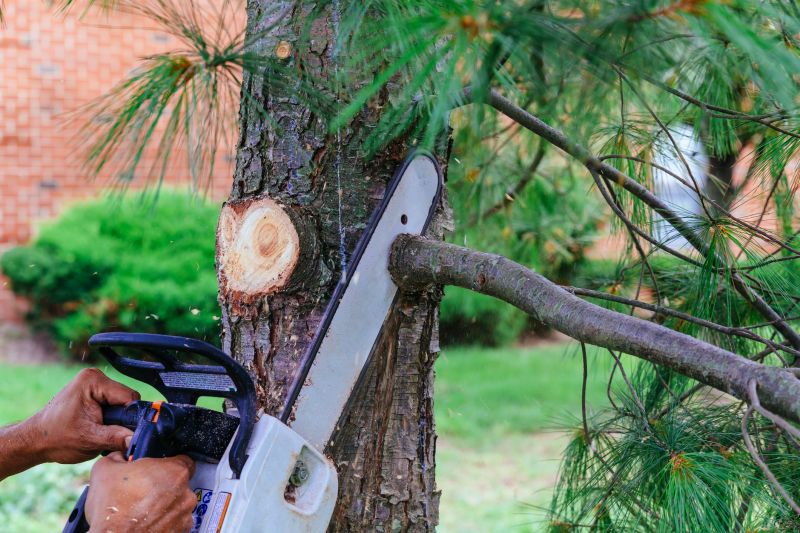
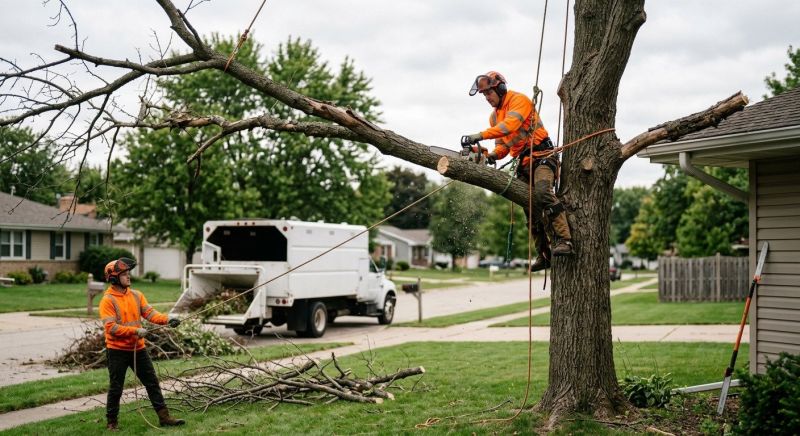
Dead branch removal services focus on safely eliminating problematic or hazardous branches from trees on residential properties. This service covers a variety of projects, including removing dead, decaying, or broken limbs that could pose a risk of falling and causing damage or injury. It also involves thinning dense canopies to improve tree health and reduce the likelihood of future limb failure, as well as addressing branches that interfere with power lines, structures, or visibility. Property owners typically want to understand the scope of the removal, the safety precautions involved, and how the process can help maintain the overall health and safety of their trees and surrounding property.
Before requesting dead branch removal, homeowners should consider the condition of their trees and identify which limbs may require attention. It’s helpful to assess whether branches are visibly dead, cracked, or hanging precariously, and to determine if they are obstructing pathways, driveways, or views. Clarifying the specific areas of concern and understanding the potential impact of removal on the tree’s health can ensure the work addresses safety and aesthetic goals effectively. Proper planning can also prevent unnecessary trimming and promote the long-term vitality of the trees on the property.
Many property owners in Allentown, PA look into Dead Branch Removal for repairs, replacements, upgrades, and appearance-related improvements.
Safety And Property Protection
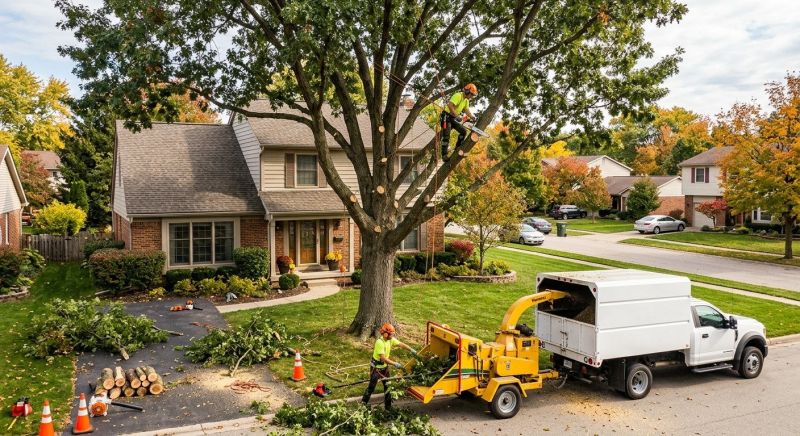
Removing dead branches helps prevent potential damage to your home and keeps your yard safe.
Tree Health And Maintenance
Proper dead branch removal promotes healthier trees and encourages new growth.
Aesthetic Enhancement
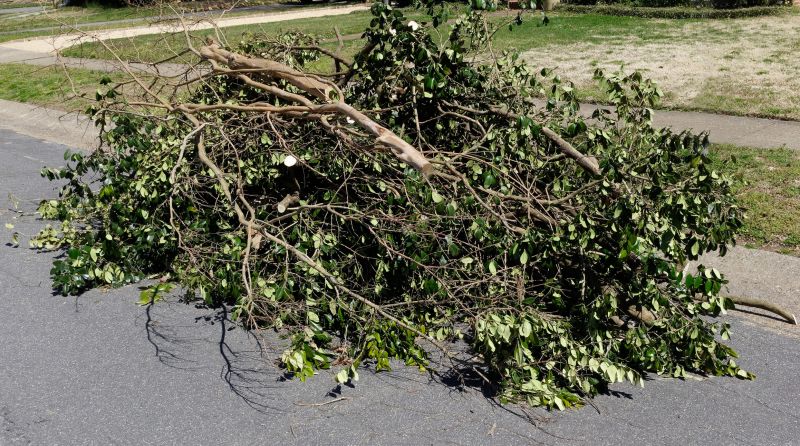
Clearing dead limbs improves the overall appearance of your landscape and boosts curb appeal.
Dead Branch Removal in Allentown, PA
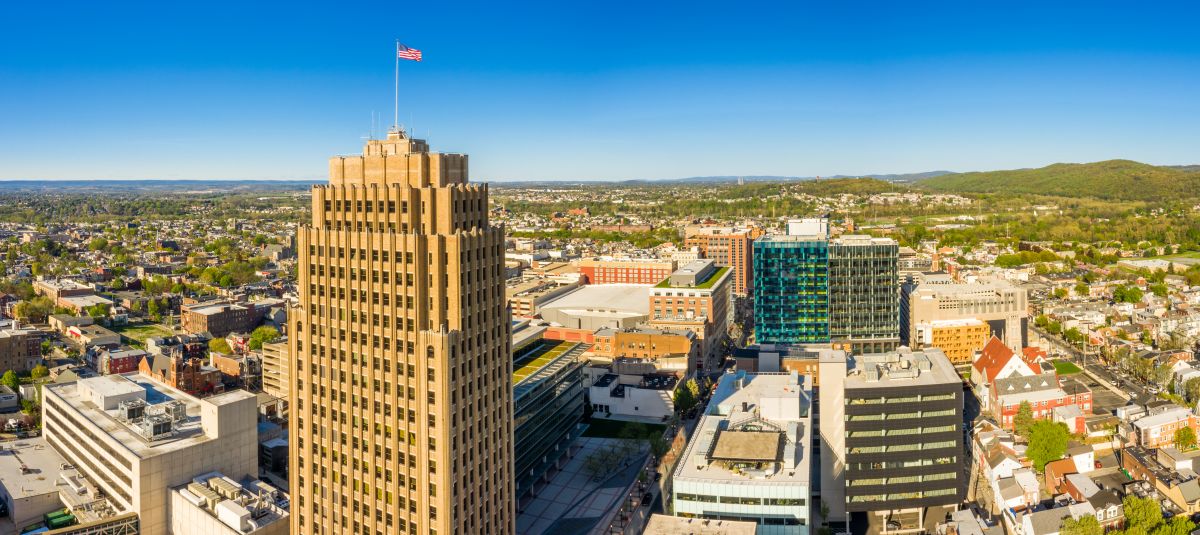
Dead branch removal services focus on safely eliminating problematic or hazardous branches from trees on residential properties. This service covers a variety of projects, including removing dead, decaying, or broken limbs that could pose a risk of falling and causing damage or injury. It also involves thinning dense canopies to improve tree health and reduce the likelihood of future limb failure, as well as addressing branches that interfere with power lines, structures, or visibility. Property owners typically want to understand the scope of the removal, the safety precautions involved, and how the process can help maintain the overall health and safety of their trees and surrounding property.
Before requesting dead branch removal, homeowners should consider the condition of their trees and identify which limbs may require attention. It’s helpful to assess whether branches are visibly dead, cracked, or hanging precariously, and to determine if they are obstructing pathways, driveways, or views. Clarifying the specific areas of concern and understanding the potential impact of removal on the tree’s health can ensure the work addresses safety and aesthetic goals effectively. Proper planning can also prevent unnecessary trimming and promote the long-term vitality of the trees on the property.
Many property owners in Allentown, PA look into Dead Branch Removal for repairs, replacements, upgrades, and appearance-related improvements.
Common Dead Branch Removal Jobs
Dead branch removal - safely eliminates hazardous limbs that pose a risk to property and safety.
Tree health maintenance - removing dead branches helps promote overall tree vitality and growth.
Storm damage cleanup - clearing dead branches after storms reduces the risk of falling debris.
Property aesthetics - removing unsightly dead branches improves curb appeal and landscape appearance.
Risk mitigation - reducing deadwood minimizes potential damage during high winds or storms.
Preventative care - proactive dead branch removal supports long-term tree stability and health.
Dead Branch Removal Questions
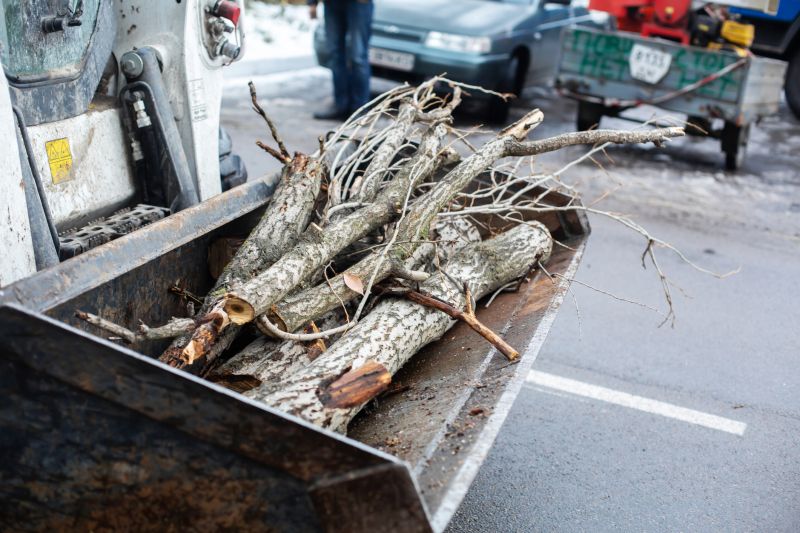
Why should dead branches be removed? Removing dead branches helps prevent potential damage to the tree and nearby property caused by falling limbs.
When is the best time to remove dead branches? Dead branches can be removed at any time of year, but it's often done during dormant seasons for healthier tree care.
What types of trees typically need dead branch removal? Most tree types can benefit from dead branch removal, especially those with heavy or overhanging limbs near structures or walkways.
How does dead branch removal benefit property safety? Clearing dead branches reduces the risk of falling limbs that could cause injury or damage to property.
Request Dead Branch Removal in Allentown, PA
Use the quote form on this page to share the basics of your project and request more information for the type of work you need.